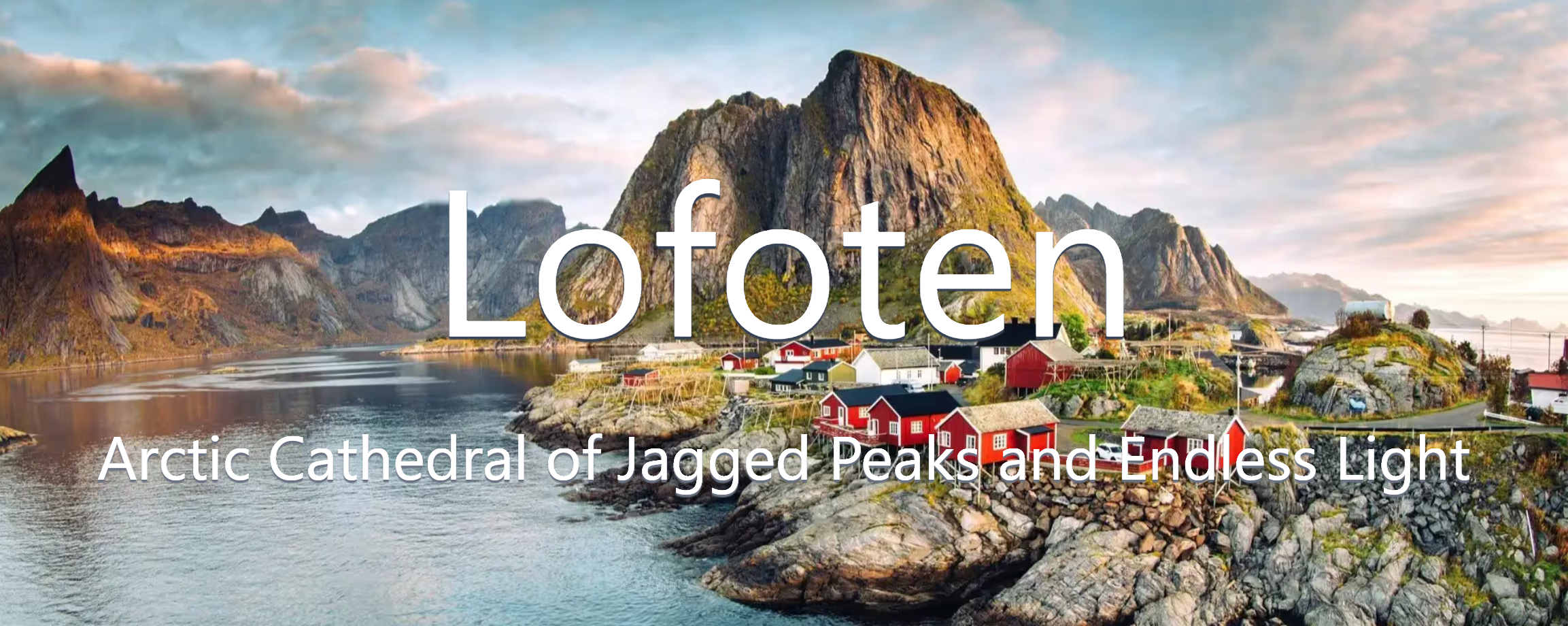
The Lofoten Islands rise dramatically from the Norwegian Sea like a 100-kilometer wall of granite peaks, creating one of the world's most spectacular Arctic archipelagos. Your 5-day journey through this UNESCO World Heritage landscape will take you from the charming fishing village of Henningsvær in the north to the southern island of Flakstadøya, where traditional rorbuer (fishermen's cabins) dot pristine beaches beneath towering peaks. With your rental car as your gateway to adventure, you'll discover why Lofoten is considered the crown jewel of Norwegian nature - from moderate hikes offering breathtaking viewpoints to hidden beaches where the midnight sun creates an otherworldly glow over dramatic coastal scenery.
Forecast updated: August 13 2025
August 23: :LiArrowUp: 9°C, :LiArrowDown: 7°C
Partly cloudy with light rain possible. Good for moderate hiking with proper gear.
August 24: :LiArrowUp: 9°C, :LiArrowDown: 6°C
Mix of sun and clouds, minimal precipitation. Perfect for viewpoint drives and coastal walks.
August 27: :LiArrowUp: 9°C, :LiArrowDown: 5°C
Clear conditions with no precipitation. Excellent visibility for hiking and photography.
August 28: :LiArrowUp: 9°C, :LiArrowDown: 6°C
Partly cloudy, some light rain expected. Good for shorter hikes and indoor alternatives.
August 29: :LiArrowUp: 8°C, :LiArrowDown: 6°C
Clear skies expected. Perfect final day for hiking and viewpoints.
What to Pack: Waterproof hiking jacket and pants (essential!), warm layers including fleece, waterproof hiking boots, hiking poles, warm hat and gloves, sunglasses for bright coastal reflections. Weather changes rapidly - be prepared for all conditions. August daylight hours: :LiSunrise: ~4:30, :LiSunset: ~21:30 (about 17 hours of daylight!).
:LiMountainSnow: Mountain Views: August offers good visibility but weather changes quickly. Check conditions before longer hikes.
:LiCloudSunRain: Lofoten current weather
:LiCloudSunRain: Henningsvær current weather
- Weather changes rapidly in Lofoten - always check forecasts before hiking and be prepared to adjust plans
- Moderate hikes require proper waterproof gear and warm layers even in summer
- Download offline maps as mountain areas may have limited cell signal
- Start hikes early (8-9 AM) for best light and to avoid afternoon crowds
- Ferry crossings between some islands - check schedules and budget time
- Gas stations sparse in remote areas - fill up when available
- Many hiking trails are unmarked - consider GPS navigation
- Indoor alternatives: museums, local cafés, and cultural sites available for poor weather days
- Midnight sun means extended daylight - take advantage of late evening photography opportunities
The Lofoten Islands: 6,000 Years of Arctic Heritage
Prehistoric Settlement and Stone Age Culture (4000-1800 BC)
Archaeological evidence reveals that Lofoten has been continuously inhabited for over 6,000 years, making it one of the oldest known settlements above the Arctic Circle. The earliest inhabitants were hunter-gatherers who followed the seasonal migrations of Arctic wildlife, establishing semi-permanent settlements along the protected inner coastlines. The Lofotr Viking Museum at Borg sits atop the largest Viking longhouse ever discovered, but beneath it lie layers of Stone Age settlements that predate the Vikings by millennia. These early Arctic peoples developed sophisticated hunting techniques for seals, whales, and seabirds, while also mastering the seasonal cod fisheries that would later define Lofoten's economy.
The Viking Age and Medieval Period (800-1350 AD)
During the Viking Age, Lofoten became a crucial power center in northern Norway. The chieftain's seat at Borg represented one of the most important political and economic centers in the entire Arctic region. Archaeological excavations have revealed a 83-meter longhouse that housed up to 100 people, along with evidence of extensive trade networks reaching as far as Rome and Constantinople. Viking expeditions launched from Lofoten reached Iceland, Greenland, and North America, while the islands served as a strategic base for controlling Arctic trade routes. The Lofotr chieftain commanded not only local fishing fleets but also organized the massive seasonal cod fisheries that brought thousands of fishermen to these waters each winter.
The Golden Age of Stockfish (1100-1800)
Medieval Norway's economy was largely built on Lofoten's "white gold" - stockfish (dried cod). From the 12th century onward, the Lofoten fisheries became the economic backbone of Norway, with stockfish representing up to 80% of the country's exports. The Hanseatic League established trading posts throughout Lofoten, and stockfish from these waters was consumed across Europe, reaching as far as the Mediterranean and Africa. The fishing season, known as the Lofotfiske, brought up to 30,000 seasonal fishermen to the islands each winter, creating temporary cities that rivaled Norway's largest urban centers. This period established the rorbuer (fishermen's cabins) that still define Lofoten's architectural landscape, as landowners built thousands of these structures to house the seasonal workforce.
Modern Fishing Industry and Cultural Preservation (1800-Present)
The 19th and early 20th centuries brought technological revolution to Lofoten's fishing industry. The introduction of motorized boats, modern processing facilities, and improved transportation transformed the ancient seasonal patterns while maintaining the islands' crucial role in Norway's economy. During World War II, Lofoten gained strategic importance as both German forces and Norwegian resistance fighters recognized the islands' value for controlling Arctic shipping routes. The famous Lofoten Raid by British commandos in 1941 demonstrated the islands' continued military significance. In recent decades, Lofoten has successfully balanced its traditional fishing heritage with sustainable tourism, while the debate over offshore oil drilling has highlighted the ongoing tension between economic development and environmental preservation in this pristine Arctic landscape.
Henningsvær Area (August 23-24)
Reinebringen Hike :LiMapPin:
Distance from Henningsvær: 45km (50-minute drive) | Difficulty: Moderate-Challenging | Duration: 3-4 hours roundtrip
The most iconic Lofoten hike offering postcard views over Reine village and surrounding peaks. Recent trail improvements with wooden stairs make this challenging but accessible. Steep ascent of 450 meters over 1.5km. Best views are from the new viewing platform. Start early to avoid crowds and heat. Essential moderate hike with your hiking experience.
Henningsvær Football Pitch :LiMapPin:
Distance: In village | Difficulty: Easy walk | Duration: 30 minutes
World-famous football pitch surrounded by dramatic peaks and sea. Short walk from your accommodation offers excellent photography opportunities and unique Arctic sports culture. Perfect for evening strolls during endless daylight hours.
Festvågtind Hike :LiMapPin:
Distance from Henningsvær: 15km (20-minute drive) | Difficulty: Moderate | Duration: 4-5 hours roundtrip
Excellent moderate hike to 540m summit offering panoramic views over Henningsvær and northern Lofoten. Less crowded than Reinebringen but equally spectacular. Well-marked trail with steady ascent. Perfect match for your hiking experience and gear.
Svolvær and Svolværgeita :LiMapPin:
Distance from Henningsvær: 20km (25-minute drive) | Difficulty: Easy to Extreme | Duration: Variable
Lofoten's "capital" offers cultural attractions and the famous Svolværgeita (Svolvær Goat) rock formation. The goat peak itself requires technical climbing, but excellent viewpoints accessible by easier walks. Good option for weather contingency with museums and galleries.
Flakstadøya Area (August 27-29)
Kvalvika Beach Hike :LiMapPin:
Distance from Andopsveien: 25km (30-minute drive to trailhead) | Difficulty: Moderate | Duration: 3-4 hours roundtrip
Spectacular hike to one of Norway's most beautiful beaches. Remote white sand beach surrounded by dramatic peaks. 3km hike each way with moderate elevation gain. Perfect for your hiking level and offers unique Arctic beach experience. Bring layers as beach can be windy.
Ryten Hike :LiMapPin:
Distance from Andopsveien: 25km (same trailhead as Kvalvika) | Difficulty: Moderate | Duration: 4-5 hours roundtrip
Climb to 543m for stunning views over Kvalvika Beach and surrounding peaks. Can be combined with Kvalvika Beach visit for full day adventure. More challenging than Kvalvika but manageable with your experience. Offers bird's-eye perspective of the Arctic coastline.
Ramberg Beach :LiMapPin:
Distance from Andopsveien: 10km (15-minute drive) | Difficulty: Easy | Duration: 1-2 hours
Stunning white sand beach easily accessible by car. Perfect for easier days or weather contingency. Excellent photography opportunities with dramatic mountain backdrop. Popular sunset location despite midnight sun season.
Flakstad Church and Village :LiMapPin:
Distance from Andopsveien: 5km (10-minute drive) | Difficulty: Easy | Duration: 1 hour
Historic red church (1780) in picturesque village setting. Represents traditional Lofoten architecture and culture. Good indoor option for poor weather with local museum and cultural information.
Classic Viewpoints & Scenic Drives
Reine Village :LiMapPin:
Distance: Central between both bases | Difficulty: Easy | Duration: 1-2 hours
Most photographed village in Lofoten with classic red rorbuer beneath dramatic peaks. Multiple viewpoints accessible by short walks. Essential stop for classic Lofoten scenery. Best lighting in early morning or late evening.
Å Village :LiMapPin:
Distance from Flakstadøya: 15km (20-minute drive) | Difficulty: Easy | Duration: 2-3 hours
Southern terminus of European Route E10 and traditional fishing village. Features Lofoten Museum and preserved rorbuer. Excellent cultural experience and weather contingency option. Historic significance as end-of-the-road Arctic settlement.
Uttakleiv Beach :LiMapPin:
Distance from bases: Midway between accommodations | Difficulty: Easy | Duration: 1-2 hours
Dramatic beach with sea stacks and mountain views. Easily accessible by car with excellent photography opportunities. Perfect for sunset photography and relaxed coastal walks.
Additional Hike Suggestions
Henningsvær Area - Additional Options
Djevelporten (Devil's Gate) Hike
Difficulty: Moderate-Challenging | Duration: 4-5 hours roundtrip Description: Dramatic hike through a natural rock "gateway" with spectacular views over Henningsvær. Steep initial ascent but well-marked trail. Offers unique geological formations and excellent photography opportunities.
Hustind Summit
Difficulty: Moderate | Duration: 3-4 hours roundtrip Description: Less crowded alternative to busier peaks with panoramic views over northern Lofoten. Steady ascent to 448m elevation. Good option for clear weather days when seeking solitude.
Flakstadøya Area - Additional Options
Munkebu Hut to Munken Peak
Difficulty: Moderate | Duration: 4-6 hours roundtrip Description: Classic Lofoten hike from historic mountain hut to 798m summit. Can drive partway up, reducing hiking time. Offers some of Lofoten's most comprehensive mountain views.
Nusfjord to Kvalvika Alternative Route
Difficulty: Moderate | Duration: 5-6 hours one way Description: Longer approach to Kvalvika Beach through traditional fishing village of Nusfjord. More challenging than direct route but includes cultural sites and varied terrain.
Selfjord Circular Route
Difficulty: Easy-Moderate | Duration: 2-3 hours Description: Gentle circular walk around Selfjord lake with mountain reflections. Perfect for relaxed days or when weather limits higher elevation hiking.
Between Both Areas - Day Trip Options
Offersøykammen Ridge Walk
Difficulty: Moderate-Challenging | Duration: 5-7 hours Description: Spectacular ridge walk offering views over multiple fjords. Requires good weather conditions due to exposure. One of Lofoten's premier high-level walks for experienced hikers.
Haukland Beach to Uttakleiv Beach Coastal Walk
Difficulty: Easy | Duration: 2-3 hours Description: Beautiful coastal walk between two of Lofoten's finest beaches. Relatively flat with stunning Arctic coastline views. Perfect for any weather conditions.
Lofoten cuisine centers on fresh Arctic seafood, traditional Norwegian preparations, and local ingredients adapted to the harsh northern climate. Specialties include Arctic char, king crab, stockfish (dried cod), cloudberries, and locally foraged herbs. Many restaurants source directly from local fishermen and embrace the slow food movement with modern Scandinavian presentation.
- Stockfish: Traditional dried cod, Lofoten's historical export
- King Crab: Fresh from Arctic waters, often prepared simply
- Arctic Char: Local freshwater fish with delicate flavor
- Sea Buckthorn: Tart local berry used in sauces and desserts
- Cloudberries: Seasonal Arctic delicacy, perfect with cream
- Local Beer: Several microbreweries using pristine Arctic water
Henningsvær Area
Fiskekrogen - 4.4/5 - 300-500 NOK
Traditional restaurant in converted fishermen's cabin specializing in fresh seafood and stockfish preparations. Authentic atmosphere with harbor views.
Krambua - 4.2/5 - 200-350 NOK
Cozy café and restaurant serving traditional Norwegian fare with modern touches. Known for excellent fish soup and local ingredients.
Henningsvær Bryggehotell Restaurant - 4.0/5 - 350-500 NOK
Hotel restaurant offering upscale dining with panoramic harbor views. Features seasonal menus highlighting local seafood and Arctic ingredients.
Flakstadøya & Southern Lofoten
Anitas Sjømat - 4.5/5 - 200-400 NOK
Location: Sakrisøy village
Famous seafood restaurant in traditional rorbu setting. Must-try fish soup and fresh seafood with dramatic fjord views. Reservations essential.
Å Restaurant - 4.1/5 - 250-400 NOK
Historic restaurant in traditional village at the end of the road. Specializes in traditional Lofoten cuisine and local ingredients.
Ramberg Gjestegård - 3.9/5 - 150-300 NOK
Traditional guesthouse restaurant near Ramberg Beach. Homestyle Norwegian cooking with local seafood specialties.
Quick Options & Cafés
Local grocery stores (Rema 1000, Coop) available in larger villages for self-catering
Most accommodations include basic breakfast
Several bakeries offer traditional Norwegian pastries and coffee
Days 1-2: Henningsvær Base (August 23-24)
Day 1 (August 23): Arrival & Local Exploration
- Arrive and settle into Henningsvær Bryggehotell
- Explore Henningsvær village and famous football pitch
- Easy coastal walk to acclimatize to Arctic landscape
- Dinner at Fiskekrogen for traditional stockfish experience
- Late evening photography around village (endless daylight)
Day 2 (August 24): Moderate Hike Day
Option A (Clear Weather):
- Early start for Reinebringen hike (most iconic views)
- Drive to Reine village for classic photography
- Lunch in Reine
- Explore nearby viewpoints and short walks
Option B (Poor Weather):
- Visit Svolvær for museums and galleries
- Shorter hike around Festvågtind (lower elevation, faster escape)
- Indoor cultural activities and local cafés
Days 3-5: Flakstadøya Base (August 27-29)
Day 3 (August 27): Transfer & Beach Day
- Drive to Flakstadøya accommodation (2 hours via scenic coastal route)
- Stop at Uttakleiv Beach for photography and coastal walk
- Settle into Andopsveien 35 accommodation
- Explore Ramberg Beach area
- Evening at local restaurant
Day 4 (August 28): Adventure Day
Option A (Good Weather):
- Full day Kvalvika Beach hike
- Optional addition of Ryten summit for extended challenge
- Pack lunch for beach picnic
Option B (Mixed/Poor Weather):
- Morning visit to Flakstad Church and village
- Shorter coastal walks around accommodation area
- Afternoon in Å village (museum and cultural sites)
Day 5 (August 29): Final Exploration
- Morning hike to local viewpoints near accommodation
- Visit any missed scenic drives or viewpoints
- Final photography opportunities
- Preparation for departure
Weather Contingency Plans
Poor Weather Activities:
- Lofoten Museum in Å village
- Local churches and cultural sites
- Village exploration and photography
- Traditional rorbu accommodations as cultural experience
- Cozy cafés and restaurants for local cuisine
Flexible Hiking Options:
- Shorter, lower-elevation walks when weather uncertain
- Beach walks when mountain visibility poor
- Village-to-village coastal drives with multiple photo stops
Essential Tips:
- Book restaurant reservations in advance
- Download offline maps before hiking
- Always carry emergency shelter and extra food
- Check weather forecasts before committing to longer hikes
- Start hikes early for best conditions and light
- Be prepared to adjust plans based on rapidly changing weather
- Take advantage of midnight sun for extended photography opportunities
:LiStar: Visit Lofoten Official Guide
Lofoten Hiking Guide
Weather in Lofoten - Detailed Guide
Traditional Lofoten Culture
Lofoten Photography Guide
Regional Weather: YR Weather for Lofoten
Hiking Safety: Norwegian Trekking Association
Cultural Context: Arctic Culture and Heritage